6 hours ago
San Antonio’s Rainbow Crosswalks To Be Removed From Streets But Recreated On Sidewalks
READ TIME: 3 MIN.
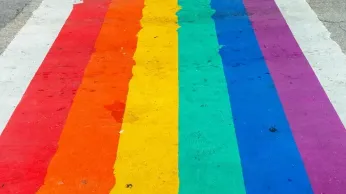
The City of San Antonio is preparing to remove rainbow-colored designs from two prominent crosswalks in its designated Pride District and replicate the artwork on adjacent sidewalks, a move prompted by updated federal guidelines on crosswalk markings.
The crosswalks, located on North Main Avenue between Dewey Place and Mistletoe Avenue, have served as highly visible markers of the city’s LGBTQ+ nightlife corridor, often referred to locally as the “gay strip. ”
City officials say the change is driven by the latest edition of the Federal Highway Administration’s Manual on Uniform Traffic Control Devices , which discourages non-standard colors and patterns in crosswalks out of concern they may distract drivers or reduce safety.
According to San Antonio’s Public Works Department, staff began reviewing decorative crosswalks across the city after the new federal guidance was issued, concluding that rainbow-colored crosswalk designs would need to be modified to maintain eligibility for federal transportation funding and to align with safety standards.
As part of the plan, the existing rainbow patterns will be removed from the vehicle crossing area and replaced with standard white striping, while new rainbow treatments will be installed on sidewalks along North Main Avenue in the same Pride District segment.
San Antonio officials have emphasized that the city remains committed to recognizing and celebrating LGBTQ+ communities, framing the change as a technical adjustment rather than a retreat from inclusion.
The rainbow crosswalks were originally installed in 2018 after years of advocacy from LGBTQ+ business owners and community leaders, who sought a visible symbol of pride and safety in the neighborhood.
At the time, city leaders celebrated the crosswalks as a sign of progress and recognition for San Antonio’s LGBTQ+ residents, with the installation coinciding with Pride celebrations and the formal branding of the corridor as an LGBTQ+ entertainment district.
Reactions to the planned relocation are mixed among LGBTQ+ people and allies who live, work, or gather along North Main Avenue.
Some business owners in the Pride District have expressed cautious support, saying that moving the rainbows to sidewalks preserves a visible symbol of inclusion while addressing the city’s safety and regulatory concerns.
Other LGBTQ+ residents and advocates have criticized the decision as a step backward, arguing that crosswalks carry particular symbolic weight as public pathways and that removing the rainbows from the roadway diminishes the visibility and affirmation they offer to queer and transgender people.
Local critics have also noted that rainbow crosswalks exist in other major cities, such as Seattle, Atlanta, and West Hollywood, and question whether San Antonio could have pursued alternative compliance options or safety studies rather than removing the designs from the streets themselves.
The debate in San Antonio is unfolding amid broader national tensions over LGBTQ+ visibility and rights in public spaces, as many states and municipalities consider policies affecting transgender athletes, gender-affirming care, and inclusive school curricula.
For many LGBTQ+ people, symbols such as rainbow crosswalks or flags are not merely decorative but function as markers of safety, belonging, and community, especially in nightlife districts where queer and transgender people gather.
San Antonio’s plan to relocate the rainbows rather than remove them entirely has been interpreted by some advocates as a compromise that maintains queer visibility while limiting legal risk around federal transportation guidance.
City staff have not announced an exact date for completing the changes but indicate that work will be scheduled in coordination with nearby businesses to minimize disruption in the Pride District.
Community leaders say they are watching closely to ensure that any redesign continues to affirm the presence and contributions of LGBTQ+ people while keeping the Pride District recognizable as a space where queer and transgender communities are welcome.